For a long time I was – and pretty much still to this day – an overdrive pedal lover. I have several, and am waiting for my new Paul Cochrane Timmy to be completed and delivered in the next few weeks. I’ve been wanting one of these for awhile now, and finally bit the bullet and got on the waiting list. So excited! But using an attenuator – specifically the Aracom PRX150-Pro – changed the way I use overdrive pedals.
In the “old days” before I used an attenuator, I used an overdrive pedal to get grind through a clean amp. Early on, I was using my Fender Hot Rod Deluxe that was all about loud, clean headroom, and I couldn’t get the volume above 2 or 3 before it would be just too damn loud; not to mention, the tubes weren’t working that much at all at that level. Yeah, I could crank the volume then set the Master to about 1/2 to get some dirt, but the pre-amp only distortion of that amp never really appealed to me. So I used overdrive pedals to get that soft-clipping on the front-end, and especially looked to pedals that provided a bit of color.
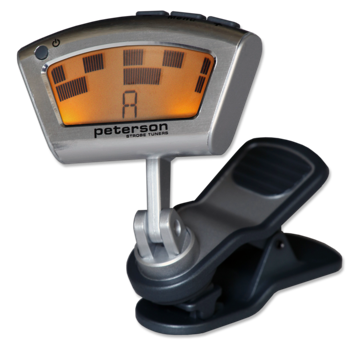
But once I got an attenuator, the entire game changed. I was able to crank my amps to get both the preamp and power amp sections saturated. For a long while, I actually stopped using overdrive pedals altogether because I was getting all the drive I wanted. I still sometimes just go to my gigs with only a tuner pedal and just plug directly into whatever amp I’m using, though I’m now starting to introduce overdrives to add gain stages to my chain.
But that brings me to the crux of this post… I used overdrives because I couldn’t get sufficient grind at reasonable volumes. But once I got a real transparent attenuator like the PRX150-Pro (I had an AirBrake and tested several), I could finally hear what my amps sounded like fully cranked. But here are some things I discovered once I was able to crank up my amps that I’d like to share:
- I have 8 amps, and with the exception of two, once I cranked them up, I did not like their fully cranked up tone.
- A common thing that I found among all the amps where I didn’t like their cranked up tone was a certain harshness or in some cases “fizz” that was not at all pleasing to me.
- As opposed to getting rid of the amps, I swapped tubes and speakers until I was able to balance out their tone. For instance, with my Aracom PLX BB 18 combo, which is a replica of a Marshall 18 Watt Blues Breaker, the cranked tone was horrendously fizzy to me. So I replaced two preamp tubes with NOS Mullard and GE tubes, and to tame the natural brightness of the amp, replaced the stock Eminence Red Fang with a Fane Medusa 150 which really emphasizes the low-end. It’s now gorgeous, and I use that amp regularly!
The point to all the items that I shared was that once I was able to crank up my amps, most of them just didn’t sound all that good. Lots of folks who are new to attenuators complain about different artifacts being introduced by the attenuator, but based upon my experience, I think a lot of those “artifacts” have a lot to do with them never having cranked their amps all the way up. To me, it’s definitely a case of “you may not like what you hear…”
So if you ever do get a hold of an attenuator, and you crank your amp up, if you don’t like the tone, don’t immediately assume that it’s the attenuator. Especially with the latest generation of attenuators that are much more transparent than the traditional ones, the likelihood that they’re introducing artifacts is pretty low. Look to your amp first, and see what you can do to adjust it to deal with its cranked tone. Personally, I’d start with tubes first; especially replacing new production tubes with NOS pre-amps. I know, they’re getting more and more scarce, but I’ve gotten the best results in smoothing out my tone with NOS pre-amp tubes.
Read Full Post »
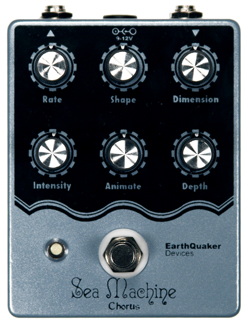 For years I was on an Overdrive kick. I still kind of am. I love dirt pedals despite the fact that I don’t use them nearly as much as I used to, and am patiently waiting for my Timmy to arrive. 🙂 But ever since I went on my quest to get an original BOSS CE-2 chorus, I’ve kind of gotten on a chorus kick as well; not as bad as my overdrive kick, but every time I see a new chorus, I have to at least listen to it. And if I REALLY like it, I might just buy it. That’s how it was with my Homebrew THC. It just came along at the right place at the right time.
 Audiophiles for years – excuse the pun – have heard cable manufacturers’ and experts’ claims of “cable break-in.” It’s a huge, ongoing debate, though most seem to believe it’s folly. In the guitar world, I haven’t heard of this from cable manufacturers; at least from the brands I buy. But I have heard it from seemingly well-informed musicians who claim they can hear the difference between a broken-in cable and a brand new cable. These people pride themselves on their “golden ears,” and often pull rank by providing their “bonafides” of degrees or what-not to add credibility to their claims. They are so convincing that lots of uninformed, unsuspecting musicians fall prey to their claims and in turn take them as scientific fact. Then in turn spend hundreds, maybe thousands of dollars on super, high-end cables that they’ll “break in,” and magically, their tone will be right. Hey! More power to ’em.
 Guitar Gear