My wonderful wife posted this on her Facebook profile today. You’ve probably seen this as an email forward, but I thought I’d share it…
—
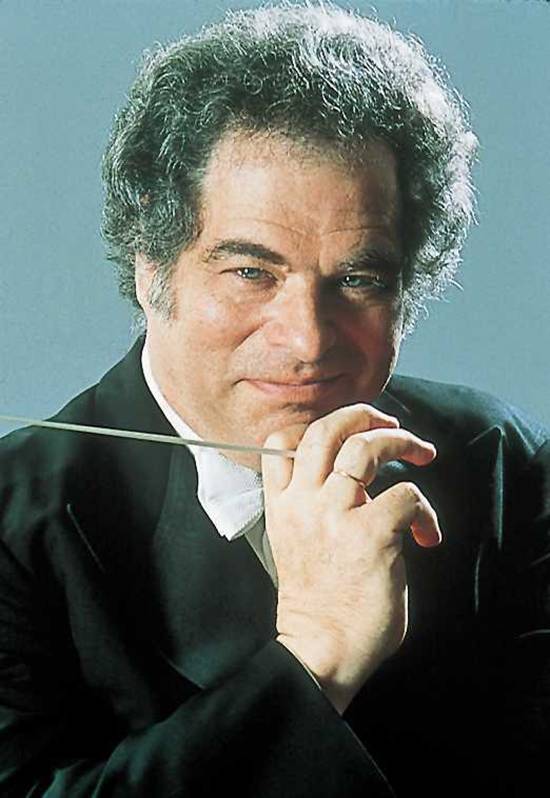
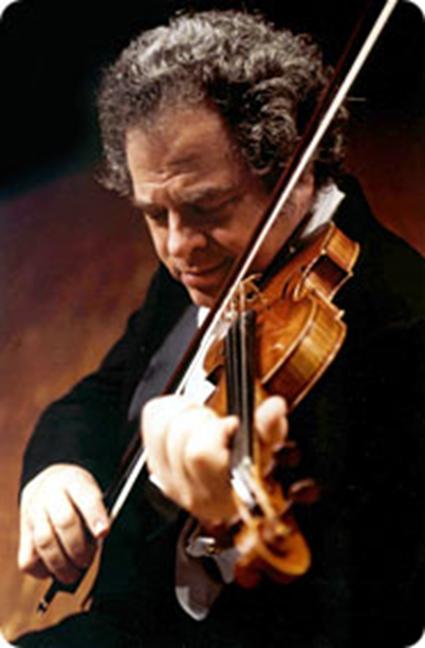
In Washington , DC , at a Metro Station, on a cold January morning in 2007, this man with a violin played six Bach pieces for about 45 minutes. During that time, approximately 2,000 people went through the station, most of them on their way to work. After about 3 minutes, a middle-aged man noticed that there was a musician playing. He slowed his pace and stopped for a few seconds, and then he hurried on to meet his schedule.
About 4 minutes later:
The violinist received his first dollar. A woman threw money in the hat and, without stopping, continued to walk.
At 6 minutes:
A young man leaned against the wall to listen to him, then looked at his watch and started to walk again.
At 10 minutes:
A 3-year old boy stopped, but his mother tugged him along hurriedly. The kid stopped to look at the violinist again, but the mother pushed hard and the child continued to walk, turning his head the whole time. This action was repeated by several other children, but every parent – without exception – forced their children to move on quickly.
At 45 minutes:
The musician played continuously. Only 6 people stopped and listened for a short while. About 20 gave money but continued to walk at their normal pace. The man collected a total of $32.
After 1 hour:
He finished playing and silence took over. No one noticed and no one applauded. There was no recognition at all.
No one knew this, but the violinist was Joshua Bell, one of the greatest musicians in the world. He played one of the most intricate pieces ever written, with a violin worth $3.5 million dollars. Two days before, Joshua Bell sold-out a theater in Boston where the seats averaged $100 each to sit and listen to him play the same music.
This is a true story. Joshua Bell, playing incognito in the D.C Metro Station, was organized by the Washington Post as part of a social experiment about perception, taste and people’s priorities
This experiment raised several questions:
*In a common-place environment, at an inappropriate hour, do we perceive beauty?
*If so, do we stop to appreciate it?
*Do we recognize talent in an unexpected context?
One possible conclusion reached from this experiment could be this:
If we do not have a moment to stop and listen to one of the best musicians in the world, playing some of the finest music ever written, with one of the most beautiful instruments ever made…
How many other things are we missing as we rush through life?
Enjoy life NOW .. it has an expiration date.
—
Excuse the pun, but reading this again after a couple of years really struck a chord in me this morning. The reason is because last Sunday at my church gig, we did a couple of my older tunes that I wrote back in 2004. After our rehearsal right before service, my bandmates all said how much they enjoyed those tunes. In response, I remarked, “You know, I’ve been at an impasse with writing. It has been a long time since I’ve gotten the inspiration.” During 2004-2005, I was music-writing machine, coming up with new tunes every week. But the inspiration to write kind of dried up. Lately, I’ve really been wanting to return to writing music, but with the exception of brief spurts of inspiration, I haven’t been able to churn out songs like I used to.
Then this morning on the drive in to work, I thought about where my inspiration had come from in the past, and I realized that it had always come when I noticed life around me; when I quieted my mind so I could be aware of the things happening in my life – aware of life’s beauty.
Talk about positive reinforcement. That article above certainly reminded me to quiet my mind!
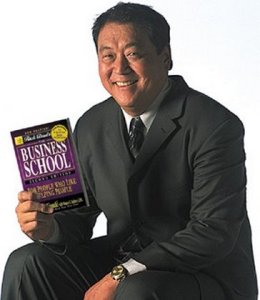 Back in the late 90’s and into the turn of the century, I got swept up in the craze of Robert Kiyosaki’s “Rich Dad, Poor Dad.” I soaked up what he was saying like a sponge. It made so much sense to me! I was hooked, and proceeded to buy all his books, and two of his board games! I wanted to learn how to get out of the rat race and get on my way to real financial freedom. I even went so far as creating my own business that was actually a great idea. Then reality struck. My business failed because of my inexperience and ignorance of running a business. I couldn’t keep up with my expenses. I sometimes couldn’t make payroll. It was tough!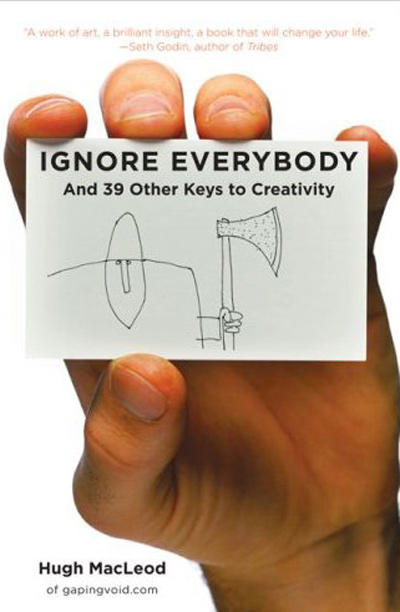

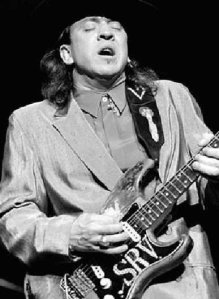
 In last month’s issue of Guitar Player, Steve Cropper was spotlighted. Cropper was a great session guitarist for Stax records who wrote and played with the likes Otis Redding, and was arguably one of the great guitarists responsible for establishing the 60’s era soul sound. In the interview, he was asked what advice he’d give to aspiring rhythm guitarists. His reply was both amusing and incredibly insightful (I’m paraphrasing): “Pick the prettiest girl in the front row, look right at her, and play to her.”
 Guitar Gear